November Practices in Hazelnut Orchards
- The News
- Hits: 427
November is a crucial time for hazelnut cultivation, marking the start of winter preparations and preparing the soil and plants for the new season.
Care practices carried out during this month directly impact both yield and quality.
Pruning and Root Flour Removal
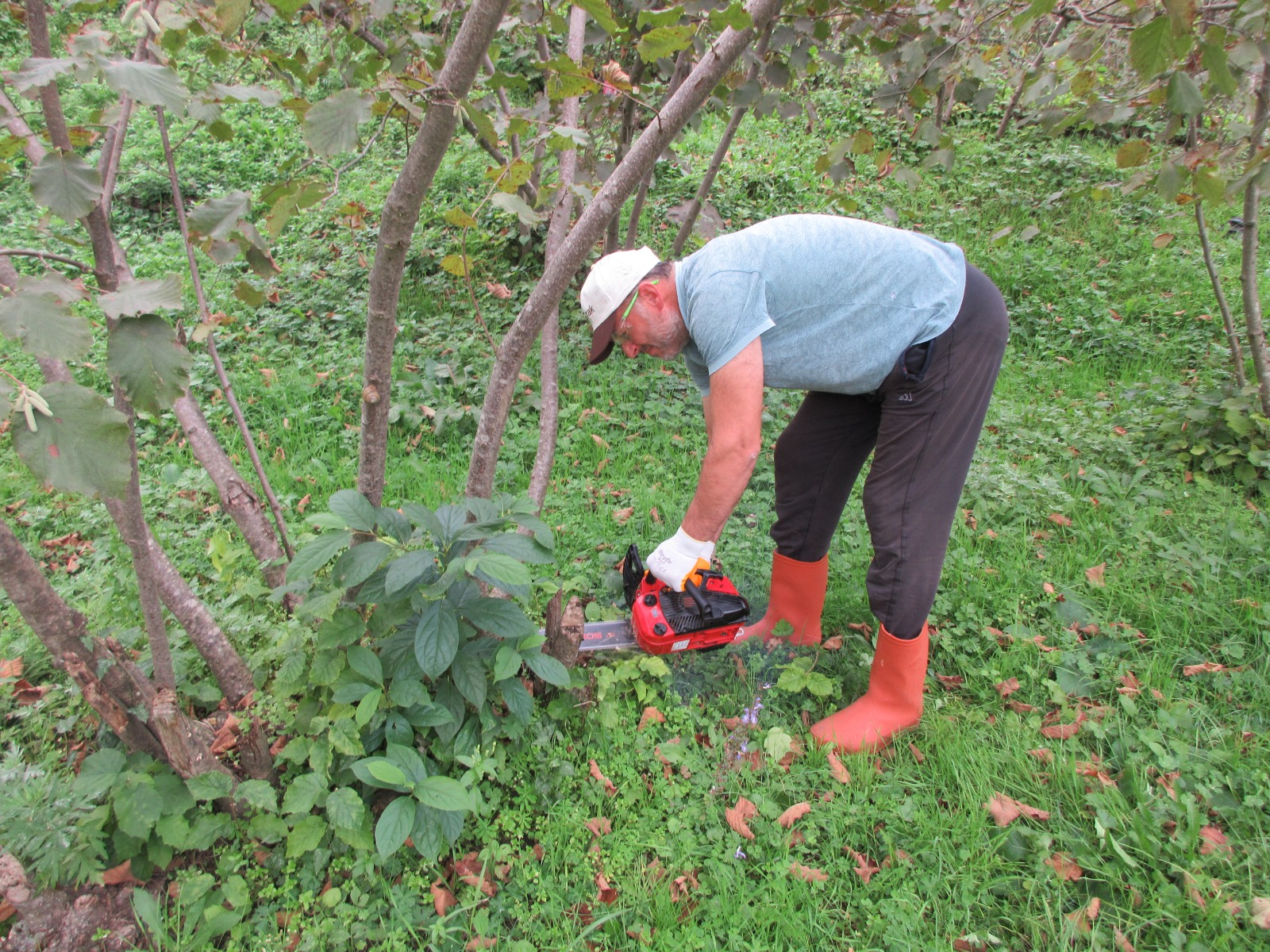
In November, pruning and root flour removal can be carried out in orchards. This practice allows the hazelnut orchards to breathe and helps the plant enter its dormancy period healthily.
Soil Sampling and Analysis
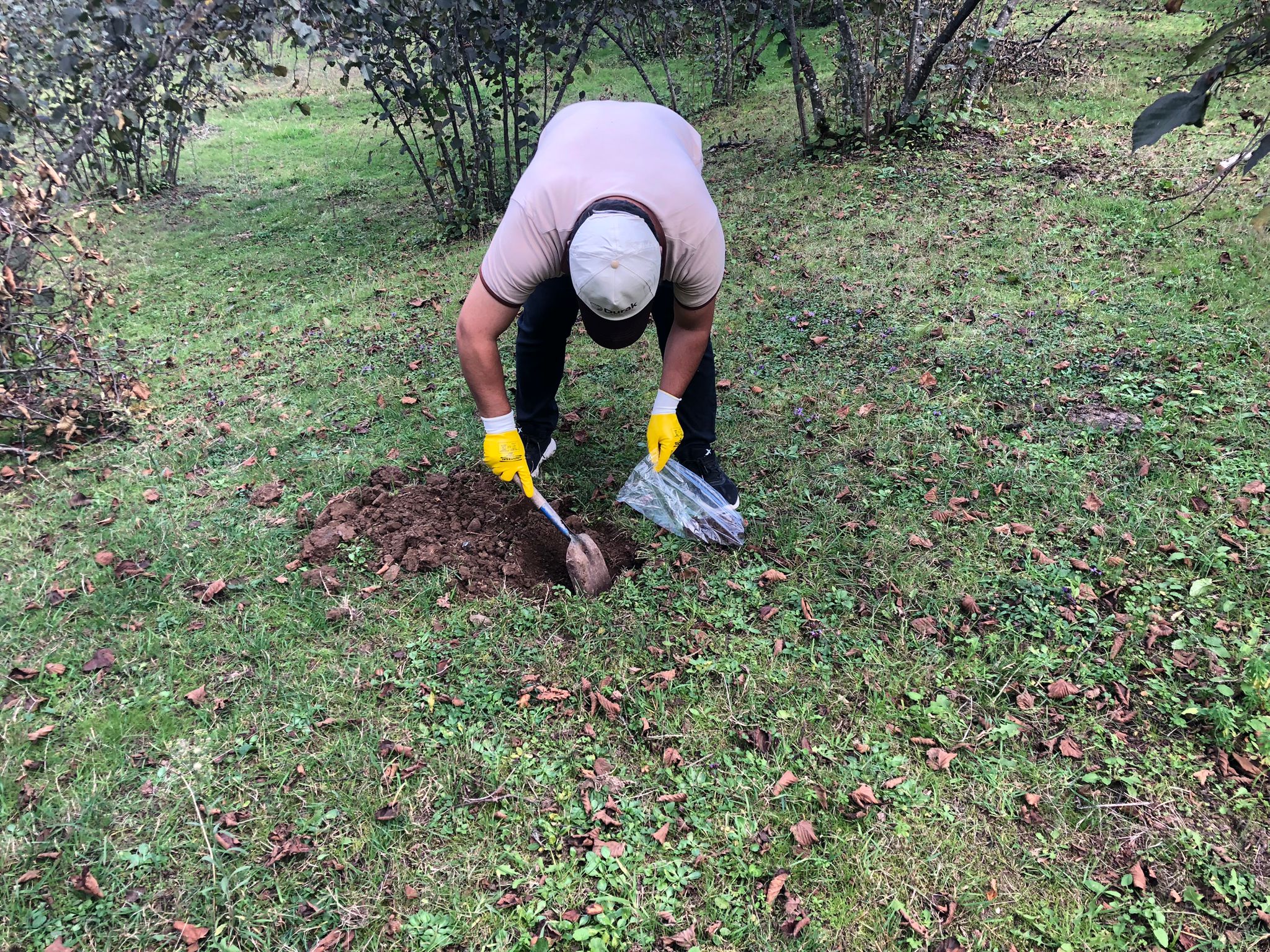
Soil samples can be taken from orchards for analysis during this period. A fertilization plan, prepared based on the analysis results, will maintain soil balance and ensure sustainable yields.
Disease and Pest Control
In areas affected by powdery mildew, fallen leaves should be collected and removed from the orchard.
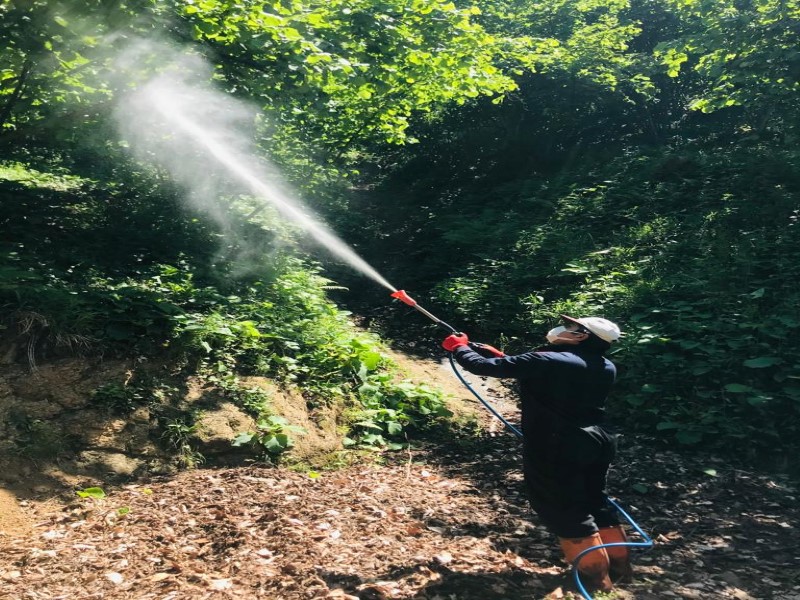
A second application of bacterial blight can be made during this period.
All spraying should be carried out only when pests reach the Economic Damage Threshold, with expert advice.
Fertilization Practices
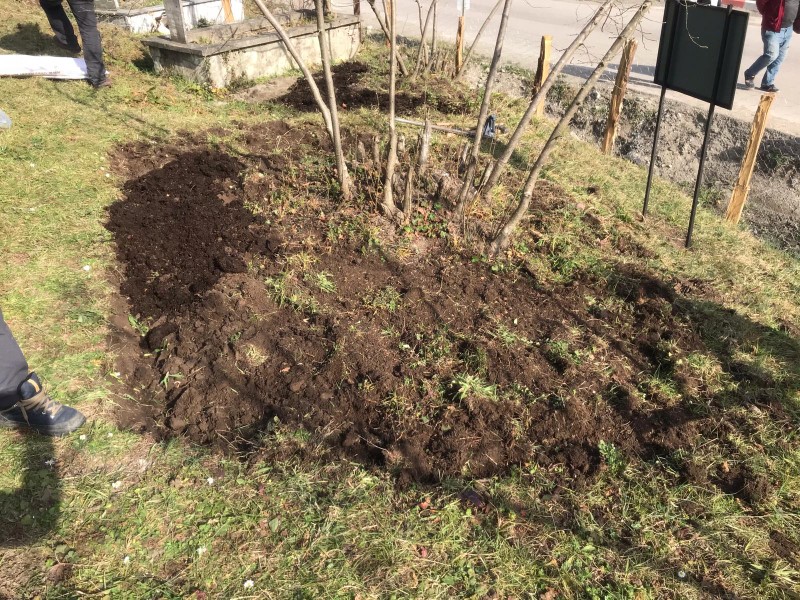
Barnyard manure and phosphorus and potassium fertilizers can be applied between November and February.
However, soil and leaf analysis results should be taken into account to determine which fertilizer type and amount to use.
These analyses reveal the soil's current nutrient levels and prevent unnecessary or excessive fertilizer use, protecting both yield and environmental health.
Liming Practices
November and December are the most suitable times for liming.
Lime application regulates the soil's pH balance, allowing the plants to absorb nutrients more easily.
However, liming should not be carried out until a soil analysis indicates low pH (acidic soil); otherwise, soil structure may be negatively affected.