April Practices in Hazelnut Orchards
- The News
- Hits: 13
In hazelnut production, April is a critical period when plant growth accelerates and the effects of spring are clearly felt. We know that correct and timely applications during this period directly contribute to seasonal yield; we plan our field work accordingly.
Key Applications in April:
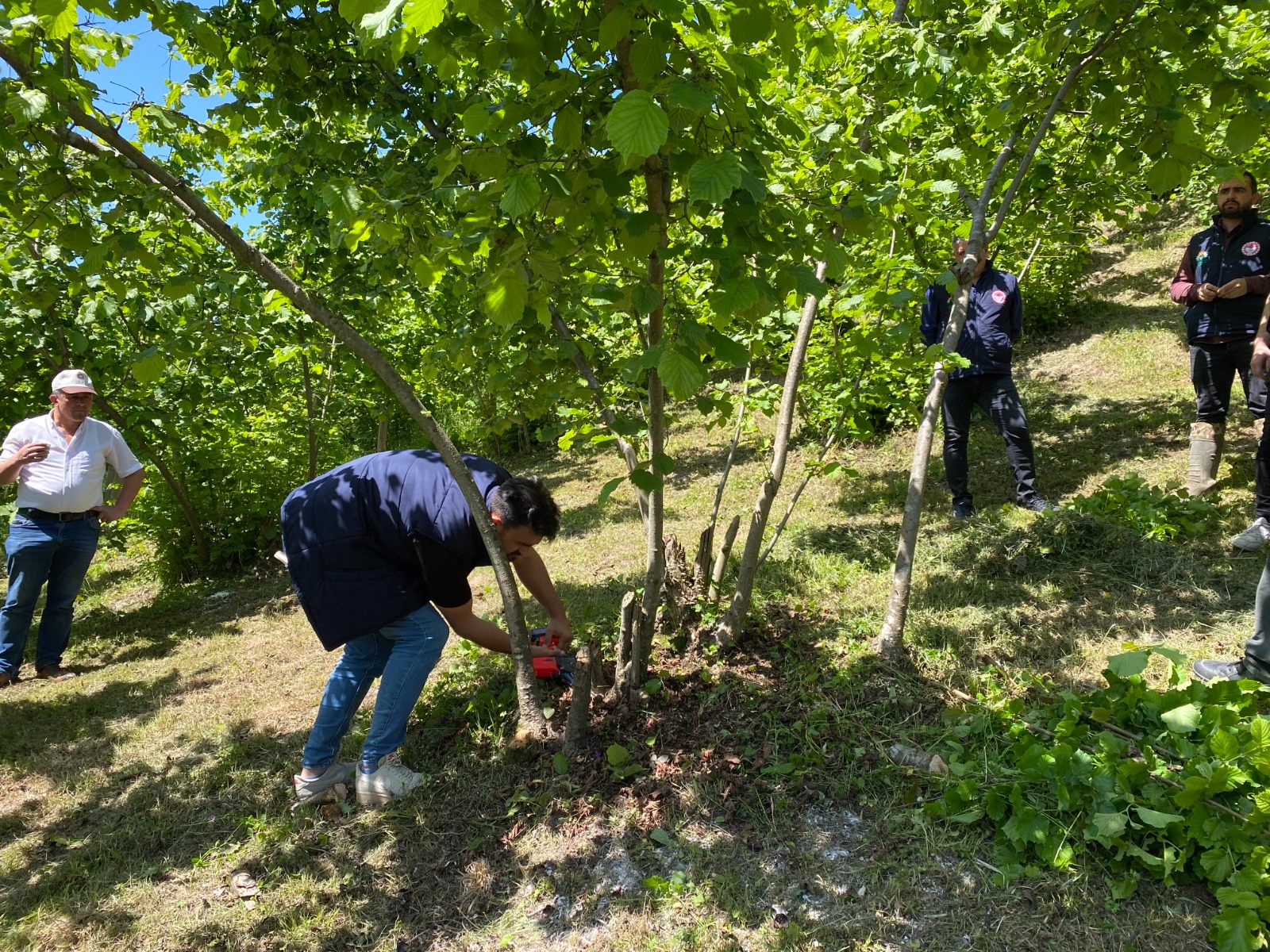
Pruning and Branch Cleaning
We complete the pruning work we started in March at the beginning of April.
We remove dried, diseased, and yield-reducing branches, reducing shoot density within the bush.
With these applications, we aim to increase air circulation within the plant, reduce the risk of disease, and support productive shoot development.
Pest Control
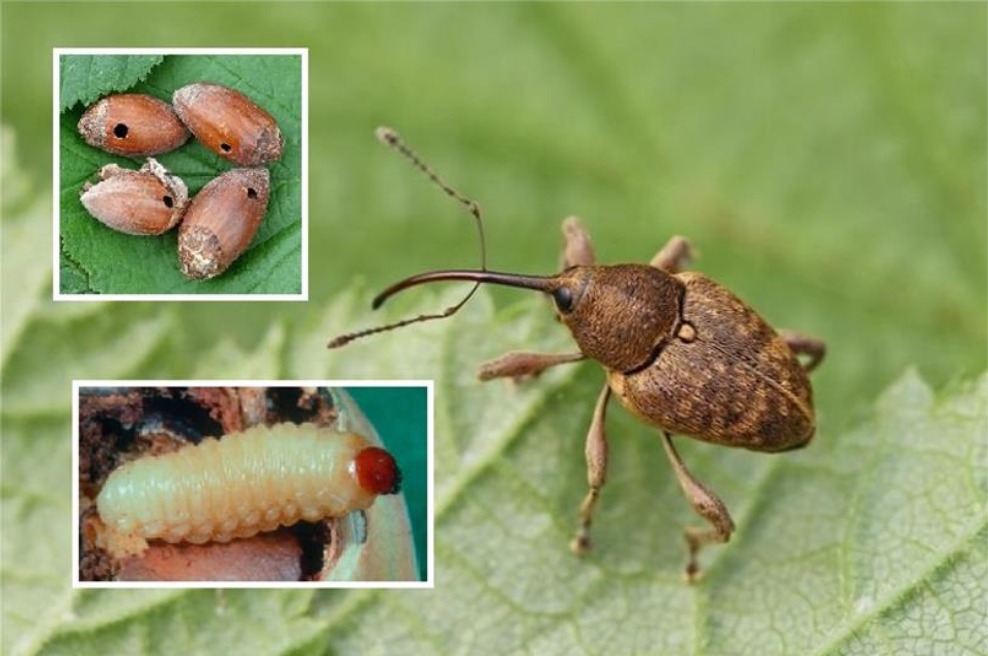
We regularly monitor for pests, primarily the hazelnut weevil and cone mite.
We intervene with appropriate inputs when necessary. We take into account bee activity and the flowering period in spraying processes.
If the first application has not been made by the end of March, we carry out control against the hazelnut gall fly (second application 20 days after the first application), hazelnut leaf miner, and twig borer.
In this way, we aim to prevent product losses by keeping the pest population under control.
Fertilization
We supplement the missing nutrient elements according to the soil analysis results.
We apply fertilizers such as ammonium sulfate to meet the nitrogen requirement.
We also strengthen the soil structure with the use of organic fertilizers and compost.
With these applications, we aim to ensure balanced nutrition of the plant, healthy development and high yield.
Bud Development and Frost Risk Monitoring
During this period, we observe that flowering has started or is about to start. We act carefully in the field against possible frost risk.
We evaluate preventive applications such as mulching and fumigation in risky areas.
With these measures taken against the risk of frost, we aim to minimize flower and shoot losses.
Garden Cleaning and Weed Control
We clean the leaves, fruit residues and weeds accumulated in our gardens.
In this way, we reduce the habitats of diseases and pests and ensure garden hygiene.
With the weed control that we start towards the end of the month, we aim to reduce the competition for water and nutrients of the plant.