September Practices in Hazelnut Orchards
- The News
- Hits: 475
1. Post-Harvest and Post-Threshing Procedures
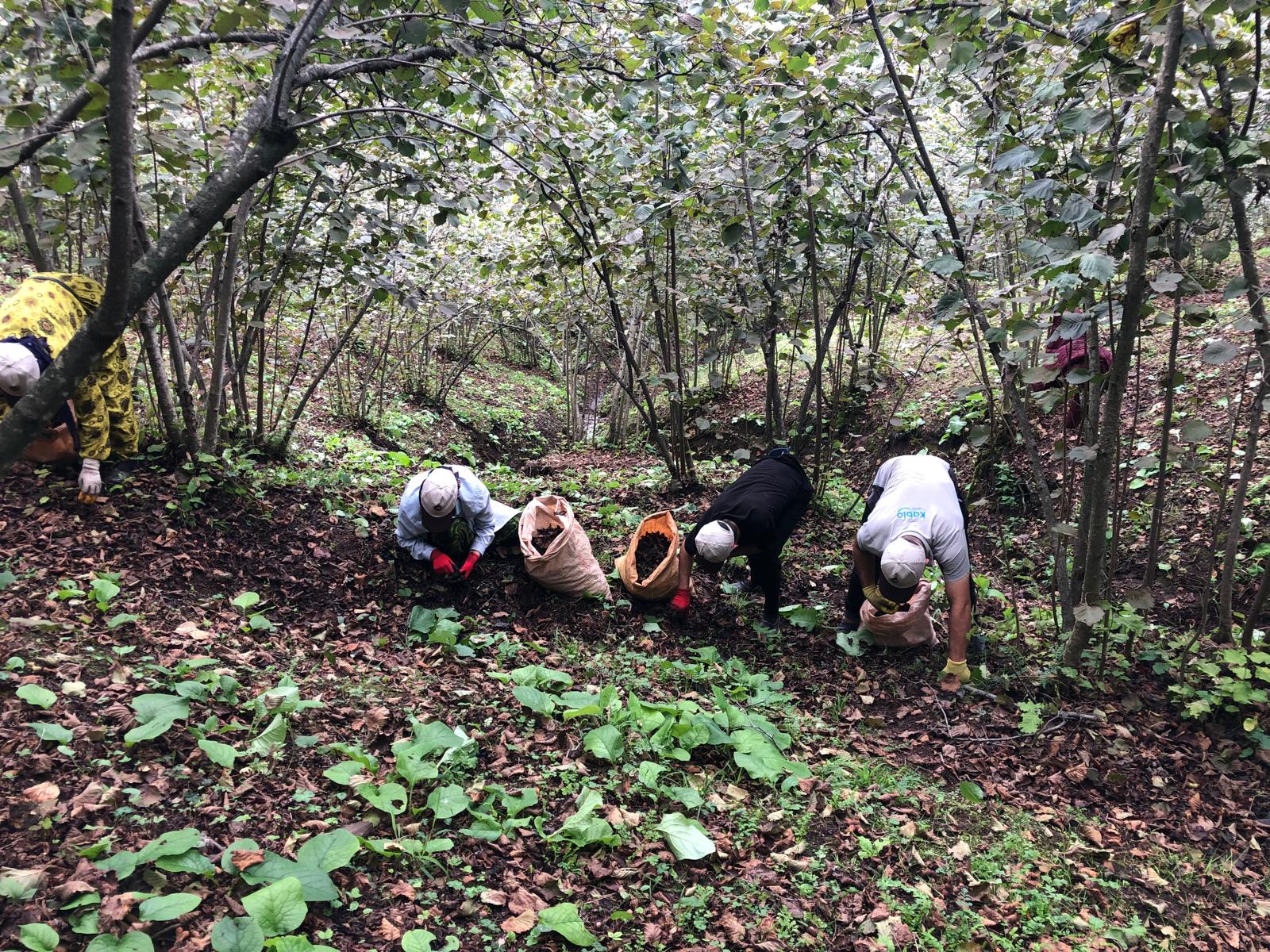
• Hazelnuts remaining on branches or at the bottom of the grove should be collected, and no crop should be left in the orchard.
• The crop should be thoroughly dried in the threshing floor and ventilated until the humidity drops to 6–7%.
• Clean, dry, airy, and sun-protected environments should be preferred for storage.
2. Hoe and Orchard Cleaning
• After harvest, branches, leaves, and weeds should be removed from the orchard.
• Cleanliness should be prioritized to prevent diseases and pests (hazelnut weevil, common louse, and cone mite) from overwintering in the orchard.
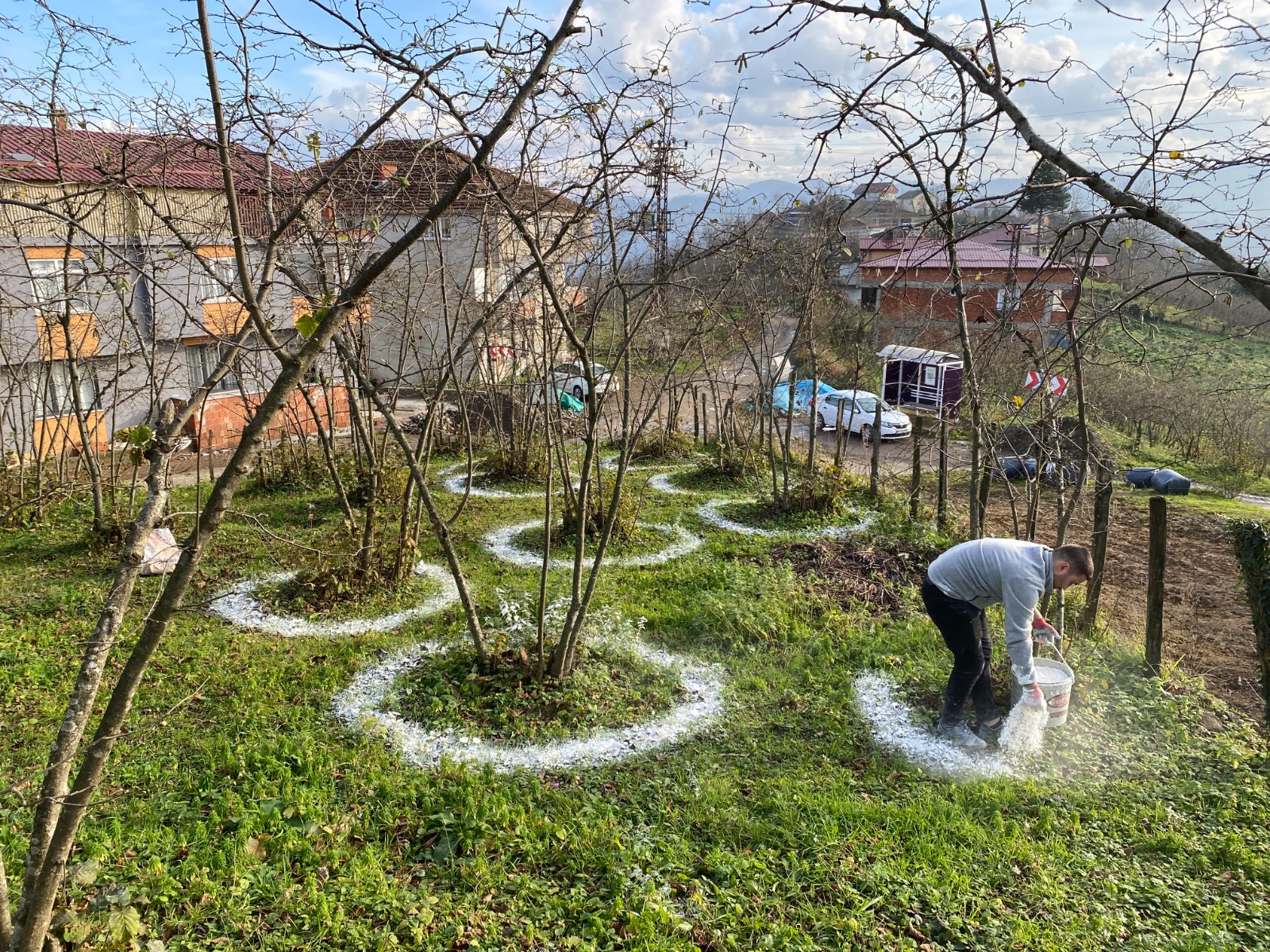
3. Fertilization and Soil Conditioning
• If a soil test has been performed, liming and base fertilization can be planned based on the results.
• Liming is particularly common in the fall; therefore, September is a suitable time.
4. Pruning and Orchard Conditioning
• Dried, broken, and diseased branches should be cut and removed from the orchard. • Excess shoots should be removed from the bottom of the beds, and the beds should be kept balanced with 6–8 branches.
5. Disease and Pest Management
• Conifer shoots infested by cone mites should be cut and destroyed.
• Branches damaged by the common thrips should be removed.
• Post-harvest care should be taken to reduce pest populations in the garden.
6. General Garden Care
• Fall plowing can be done once the soil is firm.
• If planting seedlings is planned, holes should be dug in September and the soil aerated.
.jpeg "Click to enlarge image WhatsApp Image 2025-09-05 at 13.46.47 (1).jpeg")
.jpeg "Click to enlarge image WhatsApp Image 2025-09-05 at 13.46.47 (2).jpeg")